
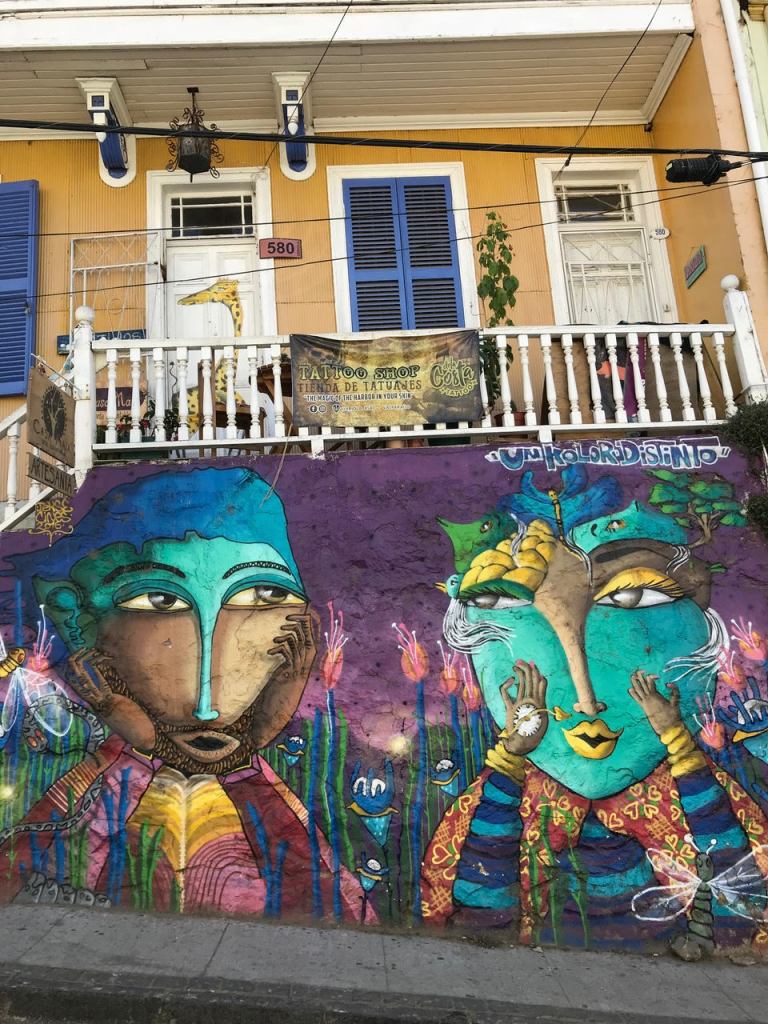
Valparaíso, Chile’s second largest city, located in the middle of the country on the Pacific coast (you’ll hear a lot more about Valparaíso in our blog) has a radical leftist mayor, Jorge Sharp (elected in 2016), and city administration. Jorge was a leader of the 2011 university student strike. While Valparaíso went to the left, Chile’s national government went to the extreme right wing (sound familiar?), with the election of Sebastián Piñera in December 2017. So what is possible for a city government to do at this moment, in this context? We think this question is extremely relevant for Chicago.
The political legitimacy of the racist neoliberal order in Chicago has been destabilized. A new Black liberation movement led by young people and Chicago’s grassroots education movement shook city government, pushed out former Mayor Rahm Emanuel, and brought in a wave of progressive, socialist, people-of-color activists to city government. But economic power still rests with the investment bankers and corporate elites, and they are pushing ahead with their agenda to market the city for real estate development, gentrification, and tourism, and drive out working-class people of color.
It looks like the new mayor has to walk a tightrope between satisfying the corporate elite but not antagonizing working-class people of color, parents, and teachers demanding rent control; a community benefits agreement for the Obama center; real sanctuary for undocumented folks; an elected representative school board; fully funded and resourced equitable, quality neighborhood public schools; and community control of police.
This moment is an opportunity for a people’s agenda. Like in Valparaíso, we ask: What is possible at the local level? What kind of power can we wield? Over the next few months, in the spirit of solidarity and shared learning and struggle, we and our Chilean friends will share our reflections on the local struggle here to create another city and another world –its complexities, challenges, possibilities, lessons, similarities and differences. Along the way we want to share the flavor of the city—a complex, vibrant, busy, economically marginalized, and powerful city that was the birthplace of Salvador Allende and has tremendous potential to be a leader in the creation of a new, just, humane social order.
 Chitown & Chile